Interview with Mr. Rajkamal Yadav, Mission Director, AYUSH Mission UP by Dr. Anoop K Srivastava
Posted in Interview, on Sep 04, 2020 by Dr. Anoop K Srivastava,
Interview with Mr. Rajkamal Yadav Sir, Mission Director, AYUSH Mission UP by Dr. Anoop K Srivastava. Through his project of AYUSH KAVACH app; AYUSH TELEMEDICINE; AYUSH Department was able to provide services to citizens of Uttar Pradesh during the COVID-19 pandemic.
Homeopathic Practice in view of Covid-19 Crisis: Time to be Wise
Posted in Editorial, on Sep 04, 2020 by Dr. Punit Srivastava,
The year 2020 will forever be etched in the minds of all of us- for the Crisis associated with the COVID-19 pandemic. I doubt anyone of us may have witnessed such mayhem in his entire life. The pandemic has turned the world upside down, the health sector, education, socio-economic -everything has been impacted.
Case Series on Homeopathic Prevention and Treatment of COVID-19
Posted in Case Presentations, Materia Medica, on Sep 04, 2020 by Dr. Nisanth KM Nambison,
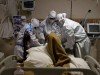
Four cases of COVID-19 were treated with homeopathy alongside the standard care provided by the Hospital to which they were admitted. Two out of the four cases were high-risk patients with co-morbidity. Three classic cases of prevention of COVID-19 in very close contact has also been mentioned.
Role of Homoeopathy in Containment of Epidemics in India: A Commentary
Posted in Research Papers, on Sep 04, 2020 by Dr. Bindu Sharma, Dr. Pawan Sharma,
History shows that homoeopathy reflects its potentiality in epidemic management since its inception. As India is the global leader in the field of homoeopathy, almost every new emerging disease was successfully tackled by the veteran homoeopathic physicians of India. Initiatives in government level were taken from time to time to generate evidences.

Some Experiences on treating Covid-19 with Homeopathy as an Adjuvant Therapy
Posted in Research Papers, on Sep 04, 2020 by Dr. Tarkeshwar Jain,
Recently team of Homoeopathy University, Jaipur got an opportunity to study the Covid-19 Positive cases admitted in various Hospitals of Jaipur. Though we tried a lot to obtain the official permission to conduct the research trial in collaboration with CRI (A unit of CCRH, New Delhi) but we could not succeed due to strict policies of ethical committees of Government medical colleges.
Covid-19 Stigma: Homeopathic Perspective
Posted in Materia Medica, on Sep 04, 2020 by Dr. Punit Srivastava,
The stigma of COVID-19 has provoked social stigma and discriminatory behaviors against people of certain ethnic backgrounds as well as anyone perceived to have been in contact with the virus. This can result in more severe health problems and difficulties in controlling a disease outbreak.
Impact of Covid -19 Lockdown on Children and Its Homoeopathic Approach
Posted in Materia Medica, on Sep 04, 2020 by Dr. Nutan Pandey,
This paper discusses the mental trauma children are going through during the Lockdown phase of COVID-19 pandemic. No outings, no games, no school, restricted living in their houses with all the negative vibes from those around can be pretty depressing for them. Here Dr. Nootan explains how through homeopathy we can help our children meet out anxiety.
Why Arsenicum album 30 Needs to be Supplemented?: an Opinion Letter
Posted in Debate, Organon, Research Papers, on Sep 04, 2020 by Prof. Dr. Asok Kumar Das,
Through this open letter Dr. Das asserts on the use of antimiasmatic trio of Arsenicum album 30 –Phosphorus 30-Tuberculinum 200 in series for prevention of recurrence of COVID-19. This paper suggests that long acting complementary medicine(s) with miasmatic consideration should be considered according to the homoeopathic principles.
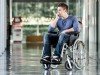
Paraplegic Condition of Human Body and Rectification by Homeopathic Drugs
Posted in Materia Medica, Research Papers, on Sep 04, 2020 by Dr. Shakti K. Prabhuji,
Paraplegia is a form of paralysis that mostly affects the movement of the lower body. Paralysis is most often caused by strokes, usually from a blocked artery in neck or brain or damage/injury to brain or spinal cord, like what can happen in a car accident or sports injury. The rectification of the abnormal neuro-muscular functions causing paraplagia is possible using homeopathic medicines.

The Study of Monogram: From Multitude to Access
Posted in Materia Medica, Research Papers, on Sep 04, 2020 by Dr. Ajit Kulkarni,
Dr.Ajit Kulkarni explains in this paper the concept of Monogram with philosophy, abstraction and generalization, correlation with data in Materia Medica and meaning of words coined for monogram. The group monogram of Carbon, Halogen and Mercury are analyzed along with one individual remedy of Opium. Several examples and case illustrations have been provided.
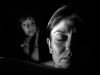
Absent Mother Syndrome: A Case Study Justifying Homeopathy as Science as well as An Art
Posted in Case Presentations, on Sep 04, 2020 by Dr. Kavita Chandak,
An absent parent is often viewed as someone who has appeared to abandon their child. They may not live with the child or make an effort to see or bond with their child for several months or years. Dr. Kavita here discusses a case of a lady presenting with secondary infertility. Her background showed that she had suffered the neglect of her mother in childhood.
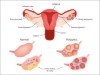
Case of Polycystic Ovarian Disease treated with Nux Vomica
Posted in Case Presentations, on Sep 04, 2020 by Dr. Kavita Chandak,
Dr Kavita discusses a case of a 20 year old girl suffering from PCOD (Poly Cystic Ovarian Disease). She was prescribed Nux vomica on her constitution and miasmatic background.
Is Homeopathy a Logical Therapeutic System to Encounter The COVID-19 Disease?
Posted in Debate, on Sep 04, 2020 by Dimitris Kalliantas,
This paper discusses the Logic of Homeopathy and how using its simple natural logic of Individualization and Similarity of Symptoms we can combat COVID-19 disease. It is well known that Logic is the science of forms and laws of intellect. It is the science of judgment and reasoning.
Exploring Nosodes in Covid Pandemic
Posted in Editorial, on Jul 10, 2020 by Dr. Punit Srivastava,
Coronavirus disease (COVID-19) is an infectious disease caused by a newly discovered coronavirus. Coronaviruses are a family of viruses that can cause illnesses ranging from common cold to severe acute respiratory syndrome (SARS) and Middle East respiratory syndrome (MERS). The virus is now known as the severe acute respiratory syndrome.

Interview with Dr. Isaac Golden on Nosodes
Posted in Interview, on Jul 10, 2020 by Dr. Punit Srivastava,
In continuation of our last interview seccion, we present here a second discussion with Dr. Golden, the living legend who is considered a world authority on Homeopathy, interviewed by Dr. Punit Srivastava, Chief Editor, Homeopathic Horizon. Here he explains about What Nosodes are... He also advises how nosodes can be applied in Covid-19 pandemic.
Nosodes: The powerful Army of Homeopathy
Posted in Materia Medica, on Jul 10, 2020 by Dr. Ajit Kulkarni,
The author presents the subject of nosodes through unusual cases, comparative study and his reflections on Syphilinum. Cases of Multiple corns, PCOD with sterility, Infantile vomiting, Acute urticaria, Schizophrenia with GB syndrome and acute bronchial asthma are presented. Five nosodes viz. Psorinum, Medorrhinum, Tuberculinum, Syphilinum and Carcinocinum.